
When Should an Industrial Robot Refuse to Move? Building an Offline AI Safety Demo
An offline robotics demo that uses a local multimodal model to interpret commands, assess visual risk and refuse unsafe movement.
Read case studyDecision-focused case studies on edge AI and IoT architecture — showing what was at stake, what path was chosen, and how risk was reduced.
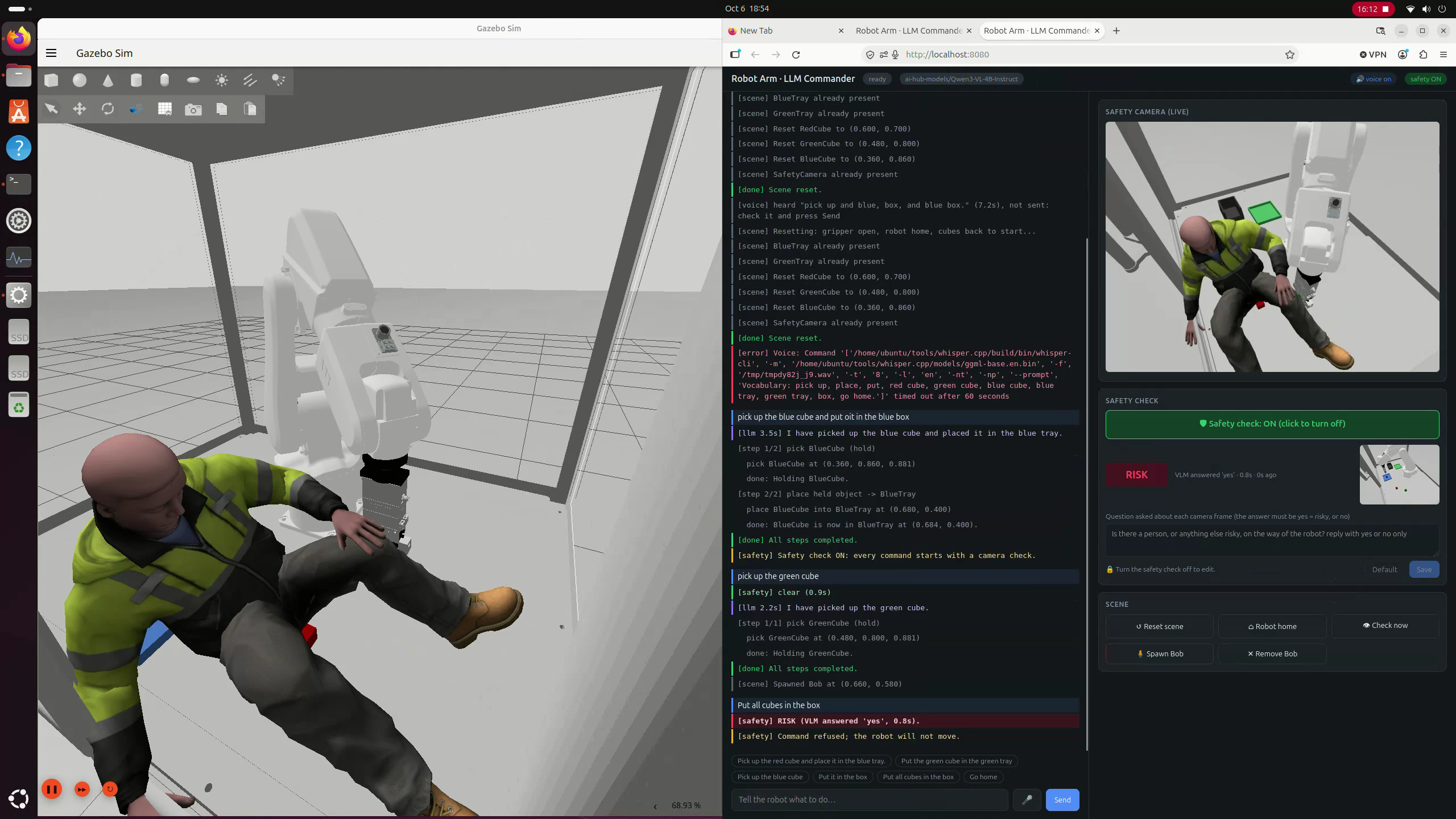
An offline robotics demo that uses a local multimodal model to interpret commands, assess visual risk and refuse unsafe movement.
Read case study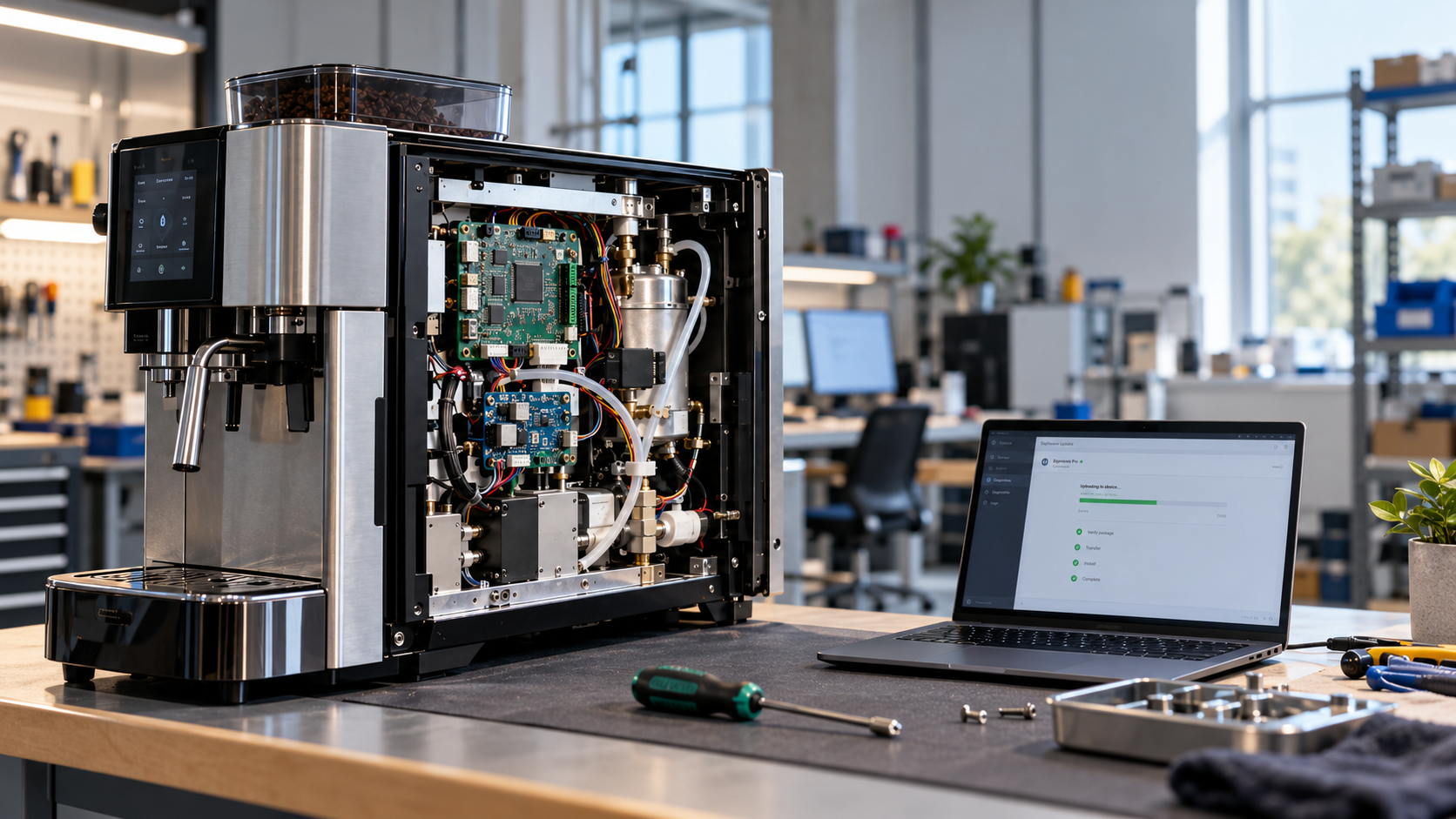
A practical blueprint for safely updating embedded Linux, MCU firmware, ML models, and cloud services across a large connected-appliance fleet.
Read case study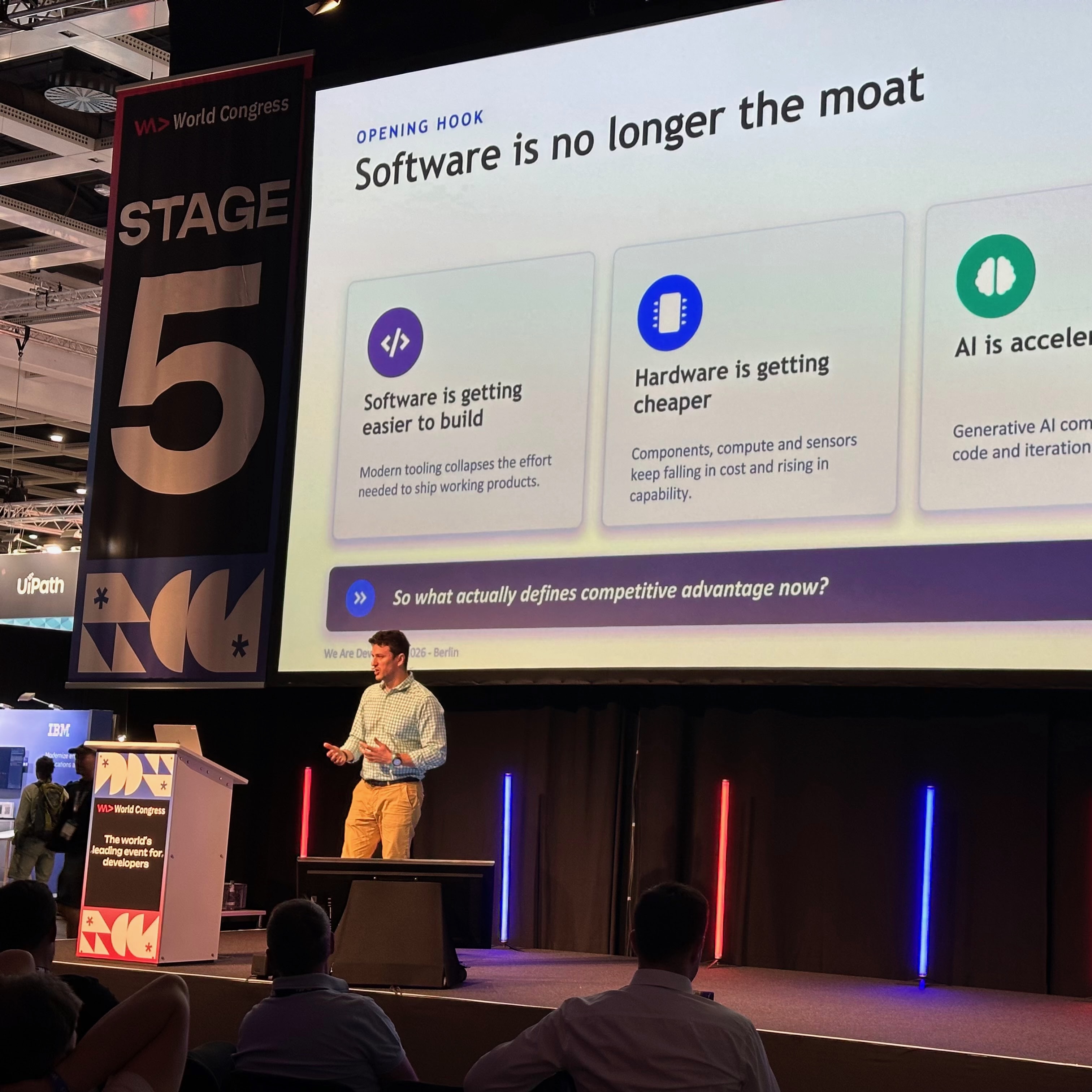
Reflections from my first WeAreDevelopers conference in Berlin, with an unexpected airport adventure along the way.
Read case study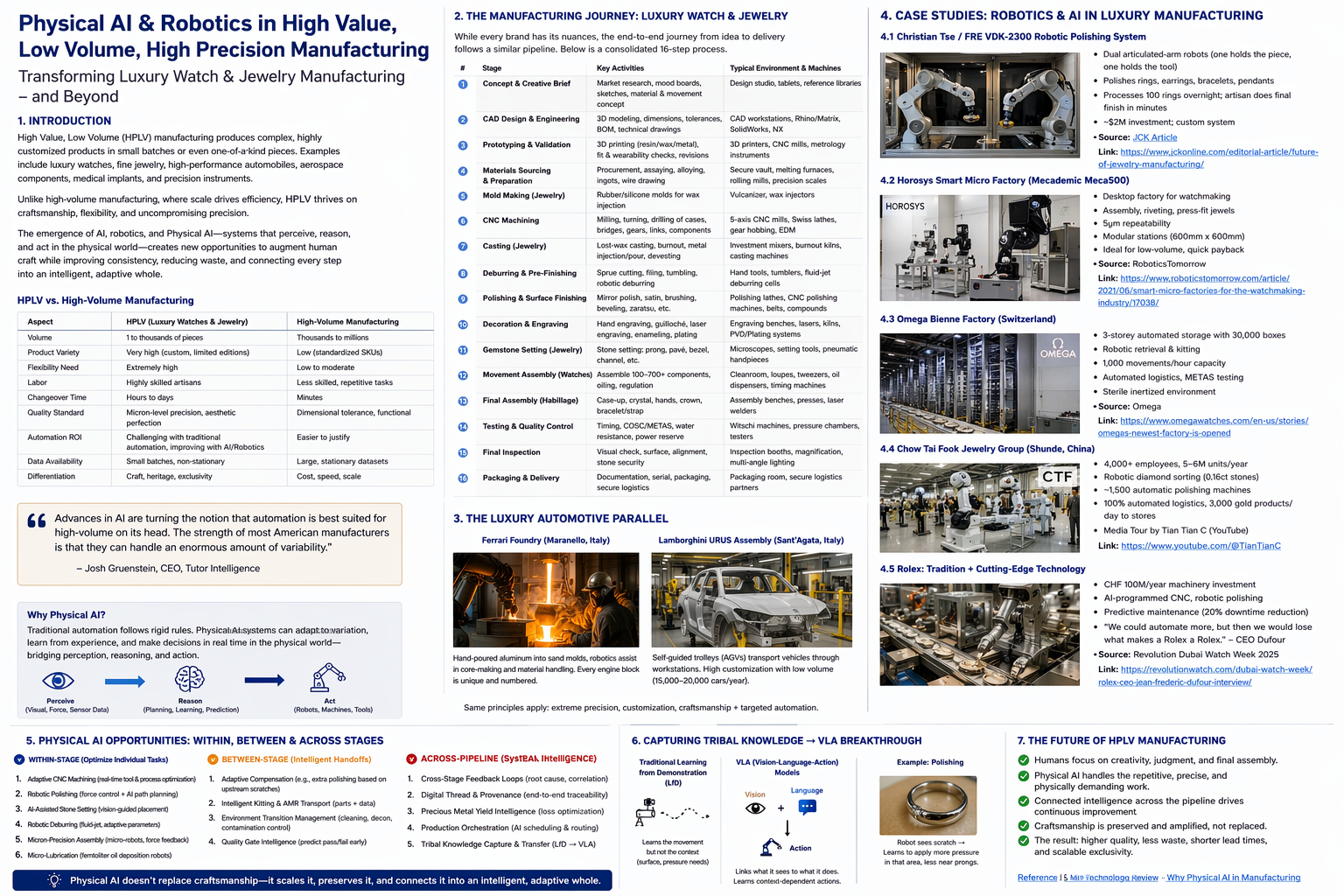
Applying robotics, automation, and AI to high-precision, low-volume manufacturing in watchmaking, jewelry, and related industries.
Read case study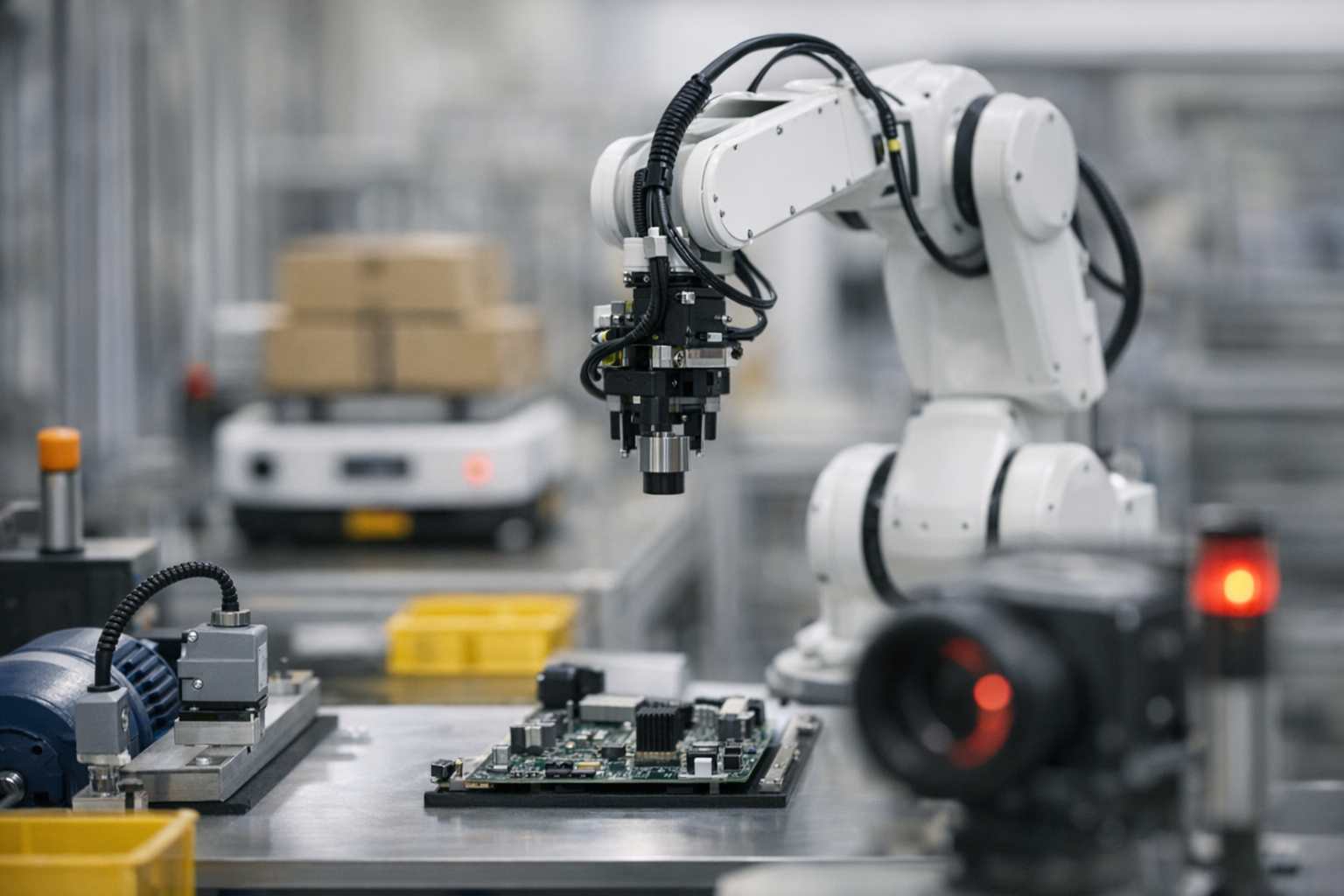
How edge AI enables robots to sense, decide, and act reliably in real-world environments through low-latency, hybrid physical AI architectures.
Read case study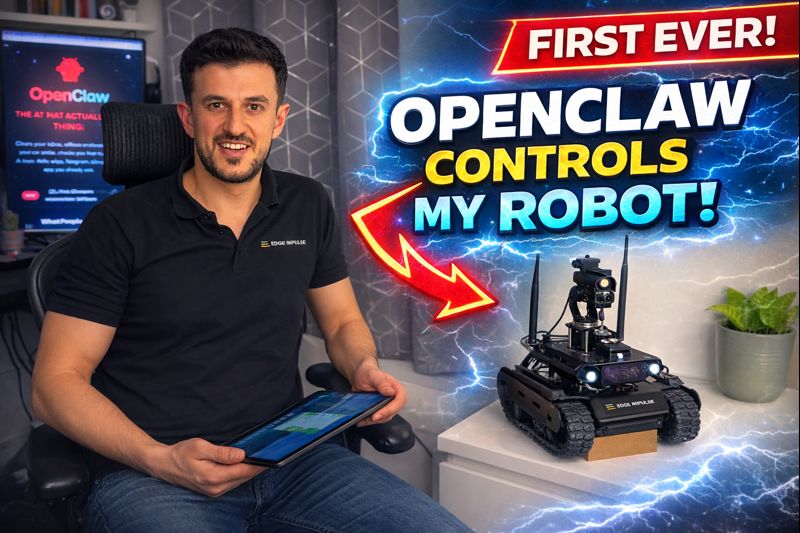
OpenClaw now controls my rover via ROS 2, turning high-level goals into real hardware actions with on-device perception and speech.
Read case study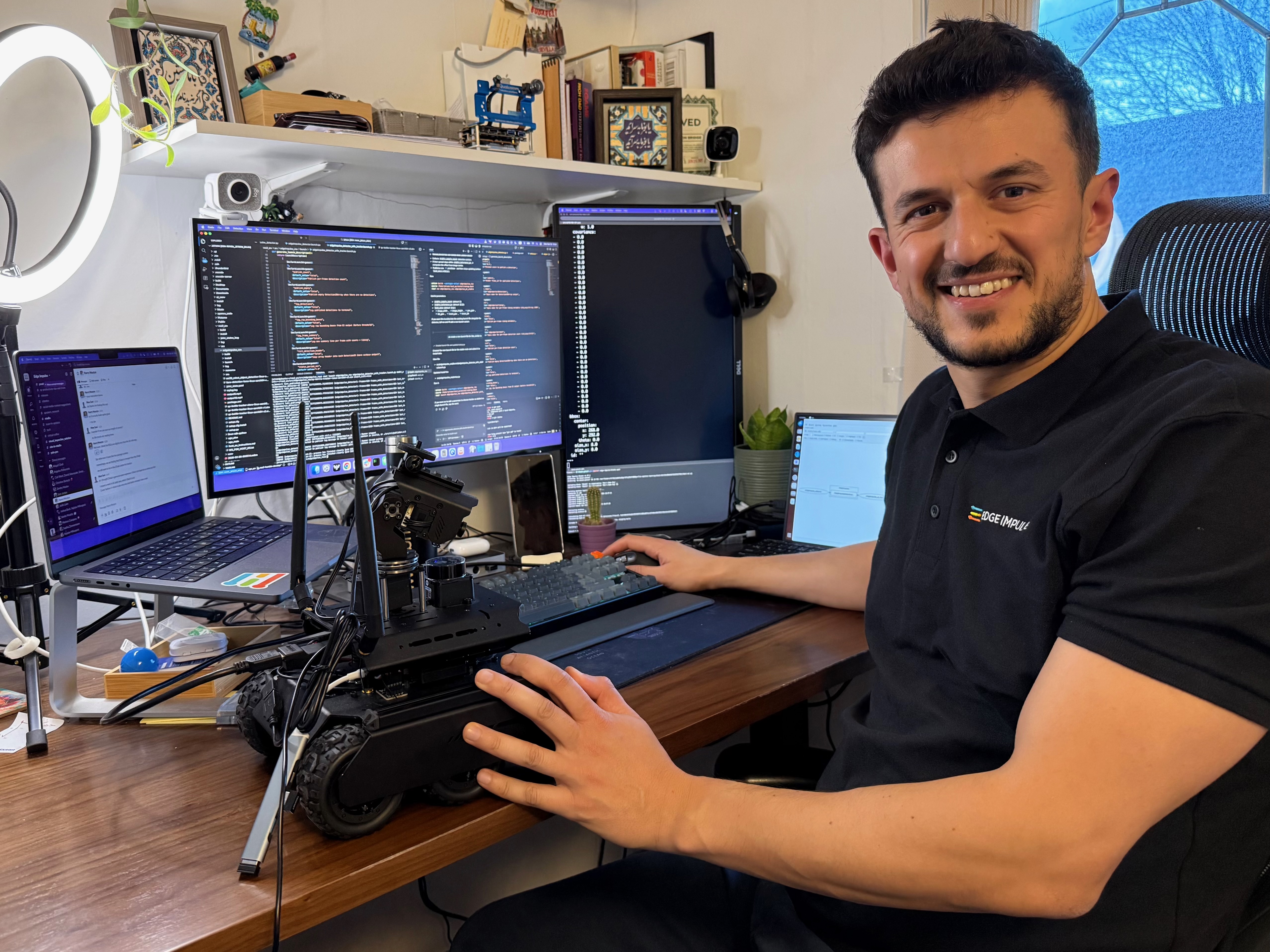
Integrating Edge Impulse object detection with ROS 2 for real-time perception and tracking on an inspection robot.
Read case study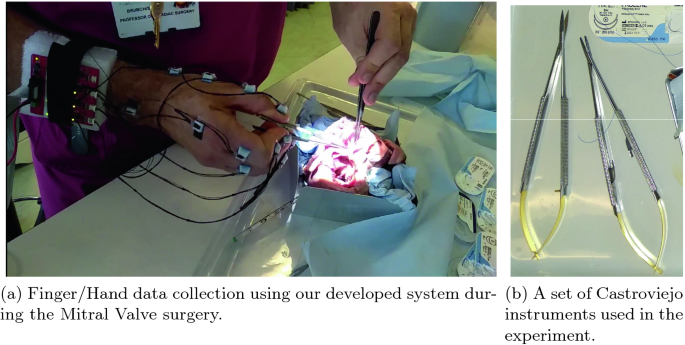
How wearable hand tracking, haptic teleoperation and machine learning can help surgical robots respond to the natural movements of experienced surgeons.
Read case study
A practical guide to the decisions that turn a machine-learning model into a reliable edge product—from sensing and hardware selection to deployment and monitoring.
Read case study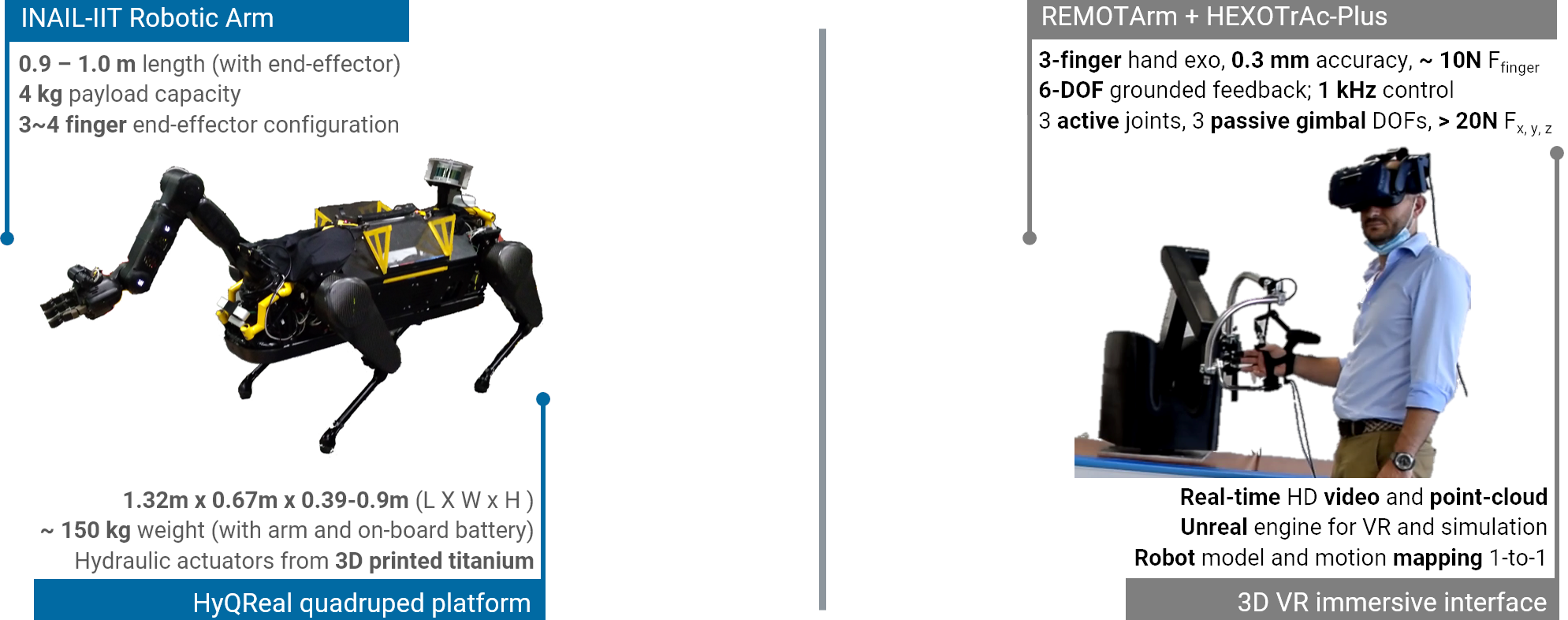
Inside an IIT research programme combining a quadruped robot, dexterous manipulation, force feedback and virtual reality to keep people out of hazardous environments.
Read case study